Ten Jars, One Shelf: The Greek Pantry That Pays for Itself

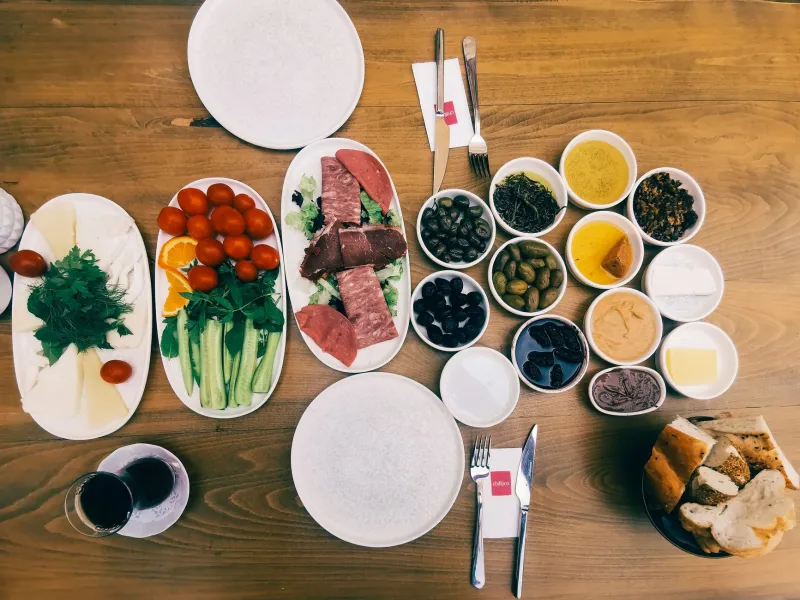
Photo: Greek pantry staples jars olive oil dried oregano giant beans halva on kitchen shelf, via i1.wp.com
Most British kitchens already run on a small set of dependable things. Tinned tomatoes. Soy sauce. A mustard that has been in the door for a year. The Greek shelf is not about replacing any of that. It is about adding a handful of items that work just as hard, cost about the same, and make a Tuesday night taste like somewhere sunnier.
The test here is simple. Nothing makes the list unless it earns its place outside a mezze spread. If a jar only comes out when you are laying on a big spread for friends, it is not a pantry staple, it is a party prop. These ten are the other sort.
1. Dried oregano
Greek oregano is a different plant from the dusty blend sold as generic oregano, and you can smell it the moment you open the bag: sweeter, more floral, almost minty. Buy it dried on the stem if you can find it, crush it between your palms as you use it.
Where it works all week: over roast chicken and lamb, scattered on chips, stirred into tomato sauces, crumbled over feta with oil, whisked into a salad dressing with lemon. It is the single cheapest upgrade to a British kitchen shelf.
2. Extra virgin olive oil
Two bottles is the sensible arrangement. One everyday Greek oil for roasting and cooking, one better one for finishing. Look for a harvest date rather than a best-before date, and do not be frightened of the peppery ones.
Where it works all week: roasting root vegetables, frying eggs, in a lemon and oil dressing, in an olive oil cake, over a bowl of beans. Greek oil is generally greener and more assertive than Italian, which makes it the better choice for anything where you actually want to taste it.
3. Gigantes
Giant butter beans, the pride of northern Greece, big enough that a single one is a mouthful. You will find them dried in Greek and Cypriot grocers, or tinned in larger supermarkets and online. The classic is gigantes plaki, baked in tomato with dill and parsley, but they are far more useful than that.
Where it works all week: traybaked with tomatoes and feta, tossed warm with tuna and red onion, mashed roughly on toast with oil and lemon, stirred through a winter stew for bulk.
4. Tarama
Cured fish roe, usually cod or carp, whipped with bread, oil and lemon into taramasalata. Buy the jarred tarama paste, not the bright pink dip. A spoonful is powerful: salty, rich, faintly smoky.
Where it works all week: loosened with lemon and oil as a dip for raw veg, spread on a jacket potato, stirred through pasta with plenty of black pepper, on toast under a poached egg.
5. Halva
Sesame halva, dense and crumbly, sold in blocks with pistachio or almond running through it. Greece also makes a semolina version, softer and syrupy, but the sesame block is the one to keep in the cupboard. It lasts for months and needs no refrigeration.
Where it works all week: crumbled over vanilla ice cream, sliced thin with strong coffee, folded into a brownie mix, scattered over yoghurt with honey and a few toasted nuts.
6. Thyme honey
Greek thyme honey is dark, aromatic and grassy, closer to a herb syrup than the mild supermarket stuff. It costs more, and it is worth it, because you use less of it.
Where it works all week: whisked into salad dressings, brushed over roast carrots, drizzled on cheese, stirred into yoghurt, used to finish a lamb chop straight from the pan.
7. Filo pastry
Boxed filo lives in the freezer and has rescued more weeknight dinners than any other pastry. Handle it quickly, keep it under a damp cloth, and do not panic if it tears.
Where it works all week: spanakopita and tiropita when you have time, quick parcels around leftover roast veg, a scrunched-up tart case, or crisp shards baked with oil and sesame to scatter over a salad.
8. Vine leaves
Jarred vine leaves, rinsed and drained, are the shortcut to dolmades without the forage. They also do a neat job as a wrapper for fish or a lining for a baking tin.
Where it works all week: stuffed with herby rice for a cold lunch, wrapped round a fillet of white fish before baking, chopped into a rice pilaf for a sharp, vinegary lift.
9. Feta in brine
Buy feta that comes in brine, ideally in a block, ideally Greek and PDO. The pre-crumbled tubs are drier and saltier and do not behave the same way. Once opened, keep it submerged and it will last a fortnight.
Where it works all week: baked with tomatoes and chilli, crumbled into an omelette, on toast with honey and thyme, mashed into a quick dip with yoghurt and lemon.
10. Kritharaki
Greek orzo, the rice-shaped pasta that turns up in giouvetsi and a hundred other things. It cooks in about ten minutes and holds sauce beautifully.
Where it works all week: baked with prawns and tomato, in a cold salad with herbs and lemon, stirred through soup as a thickener, cooked risotto-style with mushrooms on a grey evening.
Where to buy in Britain
The big supermarkets have improved enormously. Waitrose and Ocado carry decent Greek oil, halva and filo; Sainsbury's and Tesco world food aisles are reliable for gigantes, tarama and kritharaki, and Lidl's periodic Greek weeks are worth watching. But the best value is usually in independent Greek, Cypriot, Turkish and Middle Eastern grocers, where you can buy oil in larger tins, olives by weight and beans by the kilo. Borough Market and similar food halls are lovely for a treat, less so for a Tuesday. Online specialist delis are good for harvest-dated oil and proper barrel feta, though watch the delivery costs.
Keeping it all in good nick
Oil wants a cool dark cupboard, not the shelf above the hob. Dried oregano holds its punch for about a year in an airtight jar, then fades quietly. Halva keeps for months at room temperature and does not need the fridge. Feta wants brine and cold. Beans and kritharaki want nothing more than dry.
Ten items, one shelf, no great expense. That is the whole idea. The mezze night gets easier, but more to the point, so does everything else.