Beans, Not Backups: Why Greek Pulse Plates Belong at the Centre of Meze
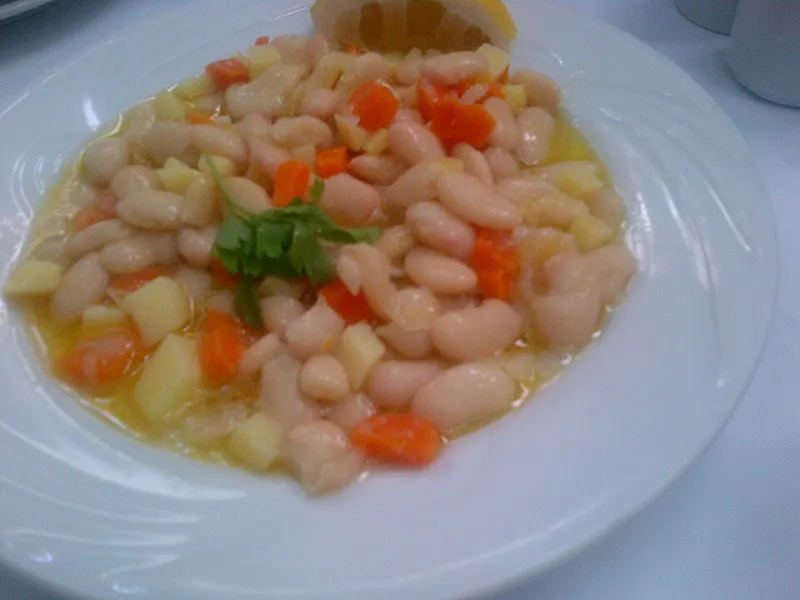
Photo: E4024, CC BY-SA 4.0, via Wikimedia Commons
There is a certain point in a good meze night when the table stops being a collection of dishes and starts feeling like a spread. It rarely happens because of the flashiest plate. More often, it is the bowl of giant beans in tomato, the pale mound of fava, the little chickpea rissoles and the lemony lentils that quietly hold everything together. They are the plates people return to between louder bites, the ones that make a table feel generous rather than merely full.
In Greece, pulse dishes are not an afterthought. They are meze in their own right: cooked with care, served at room temperature, dressed with good oil and set down with bread. For UK cooks, they are also some of the most forgiving, affordable and useful things you can put on the table. This is not about turning a meze night into a health lecture. It is about giving beans, peas and lentils the top billing they have earned.
The quiet anchors of a Greek table
Pulses show up all over the Greek table, from the enormous butter beans known as gigantes to the yellow split peas that become fava, from chickpea rissoles to simple pots of lentils scented with bay and lemon. What they share is a certain steadiness. They bring substance without heaviness, and they taste just as good warm as they do at room temperature. That makes them natural meze material.
A lot of British cooking treats beans as a side dish or a winter warmer. In a meze spread, they do something more interesting: they give the table a base note. They are the plate you can eat slowly with bread while the conversation stretches out. They make a smaller spread feel substantial and a larger one feel balanced.
Gigantes plaki: the big, friendly centrepiece
Gigantes plaki is the dish that changes minds. Big butter beans bake slowly in a tomato sauce with onion, celery, carrot, garlic and plenty of olive oil until the beans are soft and the sauce has thickened around them. Parsley and dill go in at the end. It is not a complicated dish, but it rewards patience.
For a UK kitchen, tinned giant beans are a useful shortcut. Greek delis and online suppliers often stock them, and good tinned butter beans work well too. Two tins, a jar of passata, a chopped onion and a slow oven will give you a dish that feeds a table without stress. Serve it warm or at room temperature with bread for scooping. A little crumbled feta on top is lovely, but it is not compulsory.
Fava: the pale, creamy one
Fava is one of the most misunderstood things on a Greek menu. It is not the broad bean salad that many British eaters picture. It is a smooth purée made from yellow split peas, cooked with onion and olive oil until soft, then blended and finished with lemon. The result is creamy, earthy and faintly sweet.
Capers, finely chopped red onion, parsley and a generous pour of olive oil make a classic topping. It is excellent with bread or raw vegetables, and it sits happily alongside stronger flavours. Make it a day ahead if you like; it thickens in the fridge and loosens with a spoonful of water and a good stir. This is the kind of dish that looks modest and disappears first.
Chickpea rissoles and lemony lentils
Revithokeftedes, or chickpea rissoles, bring a crisp edge to the pulse round. Tinned chickpeas, onion, herbs and a little flour are mashed and shaped, then fried or baked until golden. They are good hot, but they are also perfectly happy at room temperature, which makes them useful for a spread that is assembled in stages.
Lentils are the quiet workhorse. Green or brown lentils cooked with bay, garlic and olive oil, then sharpened with lemon at the end, make a deeply savoury bowl that works alongside creamy fava and sweet tomato beans. A handful of spinach stirred in at the end is a nice addition. This is not a dish that needs a recipe pinned to the wall; it needs tasting and adjusting until the lemon and salt feel right.
Building a meze round around pulses
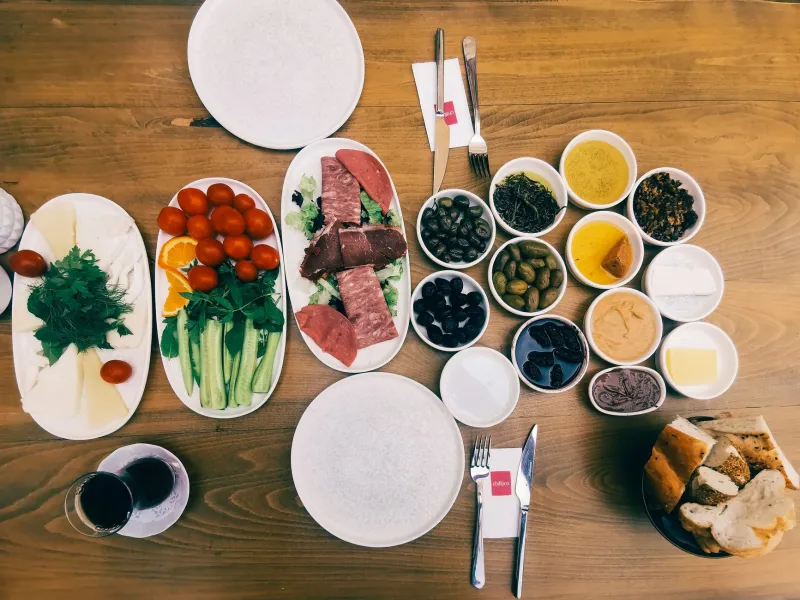
A good pulse round has contrast. Creamy fava next to chunky beans; crisp rissoles next to soft lentils; tomato sweetness next to lemon sharpness. Serve everything at room temperature or just warm, not piping hot. Put bread on the table. Add a bowl of olives, some raw vegetables and a little cheese if you like, but let the pulses lead.
Order matters less than generosity. Start with the beans and fava, then bring in the rissoles and lentils. A jug of cold water and a glass of something light are all you need alongside. If you are serving ouzo or tsipouro, keep the pace slow; the aniseed lift works well with the earthiness of the pulses. A Greek white such as Assyrtiko or Roditis is another easy match.
The make-ahead, budget-friendly argument
Pulses are cheap. That is not the only reason to cook them, but it is a good one. A tin of beans, a bag of split peas or lentils and a slow oven can produce a spread that feeds four or six people for very little. In a week when the weekly shop feels eye-watering, that matters.
They are also make-ahead friendly. Gigantes plaki improves after a night in the fridge. Fava can be made in advance and finished with oil and capers at the table. Lentils sit happily for a couple of days. Rissoles can be shaped ahead and fried just before people arrive, or baked in the oven while you get on with something else. This is the kind of cooking that makes hosting feel less like a performance and more like a pleasure.
A note on seasoning and finishing
Pulses need more seasoning than people expect. Salt the cooking water, taste as you go, and finish with lemon or vinegar to wake everything up. Good olive oil is not a garnish here; it is part of the dish. Fresh herbs, especially dill and parsley, bring a welcome lift. A little dried oregano works too, but use it with a light hand.
The next time you plan a meze table, give the beans the first plate rather than the last thought. They are not there to fill a gap. They are there to hold the table together, one spoonful at a time.