The Cloudy Glass: A Beginner's Companion to Ouzo, Tsipouro and the Slow Greek Aperitif
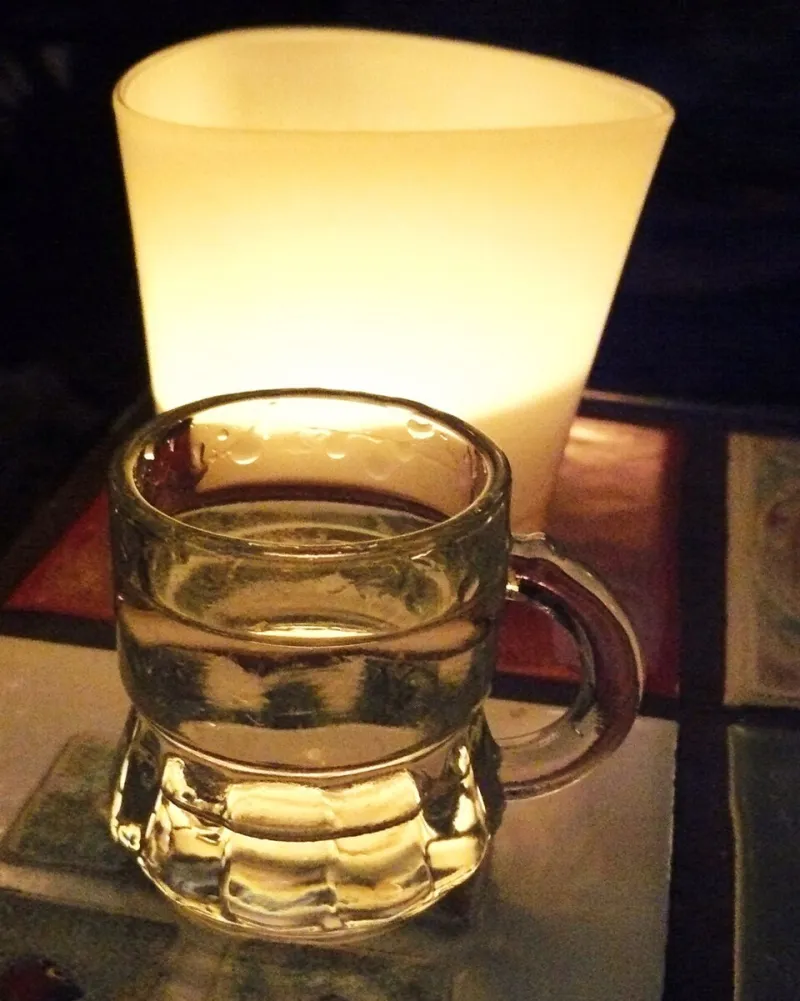
Photo: MOs810, CC BY-SA 4.0, via Wikimedia Commons
Forget the shot. The image to hold in your head is a small glass on a metal table by a wall, a jug of water beside it, and a plate of something salty within reach. No one is in a hurry. The drink is clear until it is not.
Ouzo and tsipouro are the spirits of that moment — the Greek aperitif, taken slowly and almost always with food. In the UK we tend to meet ouzo once, as a high-strength novelty in a Greek restaurant, and then never again. That is a shame, because served properly and with the right plates, it is one of the most food-friendly spirits in Europe.
Why Greeks drink spirits with their food
Aperitivo is not an Italian invention alone. The Greek word is mezedopoleio — the place whose reason for existing is the little plates that accompany the drink. The drink is the excuse; the meze is the point. This is why a Greek host will never hand you a spirit without putting something on the table, even if it is only a handful of olives and a heel of bread.
The spirits themselves are anise-forward, which is to say they taste of liquorice, fennel and warmth. Anise is a strange thing to build a drink on until you put it next to salt, acid and fat, at which point it becomes almost a seasoning. That is the whole trick of this article.
Ouzo: the cloudy one
Ouzo is the better-known of the two. It is a distilled spirit, anise-flavoured, usually somewhere between 37% and 40% ABV, though you will see stronger. The good ones are not just anise and alcohol — they are distilled with fennel, coriander, clove, mastiha or cardamom, and they taste of the place they come from.
Geography matters here more than most drinkers expect. Lesvos is the old heartland, and Plomari, on its southern coast, is practically synonymous with the stuff. Tyrnavos in Thessaly makes a sweeter, rounder style. Kalamata and Chios have their own traditions. In 2026 ouzo is a protected Greek product, which sounds bureaucratic but means almost nothing is lost to the industrial stuff.
The ritual everyone remembers: add water and it goes milky. That cloudiness is called the louche, and it happens because anise oils dissolve poorly once the strength drops. It is not a gimmick. Diluting brings the aromatics up and the burn down, and it is how the drink was designed to be taken.
Tsipouro: the quieter cousin
Tsipouro is the one worth hunting down. It is a grape-based distillate — the spirit of the pressings left after wine — and its anise content varies wildly. In Thessaly and the north you will get it anise-free and fiercely dry. In other parts of Greece it arrives flavoured much like ouzo.
Think of tsipouro as the farmer's drink that got lucky. It is typically made in small batches, often at home, and it tends to be more textured and less sweet than ouzo, with a faintly grainy, grapey edge. A well-made tsipouro tastes like something rather than simply tasting of anise.
A note on names, because they are a tangle
Tsikoudia in Crete, raki in other places, tsipouro in Thessaly and Macedonia — the words overlap, and locals will argue about the distinctions with real feeling. For the curious drinker, the safe rule is: if you are in Crete and you are handed something clear after lunch, say yes and don't ask follow-up questions. Rakomelo is a different delight entirely: the same spirit warmed with honey and cinnamon, the best possible thing to be given on a cold island evening in October.
How to serve it without ceremony
- Use a small tumbler, not a shot glass. A short, wide glass lets you smell what you are drinking.
- Serve cool but not frozen. Room-temperature ouzo is a mistake; an ice-cold bottle is also a mistake. A few minutes in the fridge will do.
- Add water slowly, roughly one part water to one or two parts spirit, and taste as you go. Some people add ice, which dilutes as it melts; some insist ice ruins it. Both camps are happy, which tells you something.
- Never down it. This is a sipping drink designed to stretch over an hour.
- Always put food out. Even a saucer of almonds counts.
The pairing table
This is where it becomes fun, because anise and salt are natural allies.
Olives and pickles. The brine cuts the spirit's sweetness and pulls out the herbal notes. A bowl of Kalamata and a few pickled chillies will carry a whole evening.
Salty cheese. Feta, grilled halloumi, or a hard sheep's cheese with a drizzle of honey. Cheese makes ouzo taste rounder; ouzo makes cheese taste brighter. Nobody has ever regretted this combination.
Fried things. Calamari, salt cod fritters, courgette fritters, chips. Anise spirits have an almost medicinal quality that slices clean through oil. If you are cooking one thing with your ouzo, make it something fried.
Grilled seafood. Octopus, sardines, prawns with garlic. This is the classic and it deserves its reputation. A squeeze of lemon over both plate and glass is not madness.
Tomato and cucumber. The freshness resets your palate and keeps the pace slow, which is the entire purpose.
What to avoid. Heavy red meat, rich cream sauces, anything aggressively sweet. Anise spirits are not built for them.
Buying well in the UK
You do not have to go far. Large supermarkets and online drinks retailers now stock a handful of decent ouzos, and the Greek and Cypriot delis in London, Manchester, Birmingham and Glasgow carry ranges you will not find elsewhere. Look for ouzo from Lesvos or Tyrnavos, and check the label for a distillery name rather than a brand name alone.
For tsipouro, a specialist deli or a good online Greek grocer is your best bet, and it is worth asking the shopkeeper which one they drink at home. That question has never once produced a bad recommendation.
The last glass
The Greek aperitif is not really about the alcohol. It is about the pause — the forty minutes before dinner when the day is set down and the table starts to fill. Buy one bottle of something decent, put three small plates beside it, and give yourself permission to sit for longer than feels sensible.
The glass will go cloudy. The evening will go slowly. That is exactly right.