Beyond the Pine: Six Greek Wines That Love a Meze Table
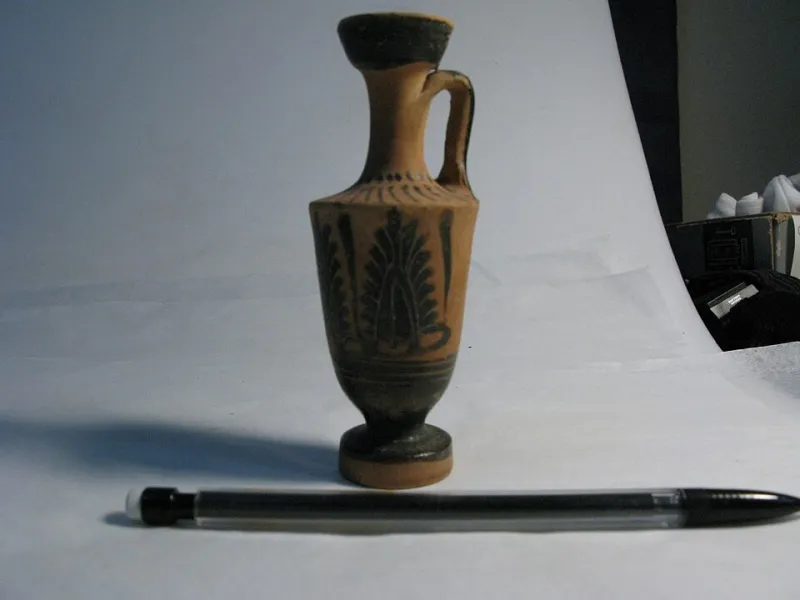
Photo: Unknown, CC BY 4.0, via Wikimedia Commons
Greek wine has a reputation problem in the UK. Say the word and most people picture a pine-scented bottle of retsina, or maybe a dusty carafe in a taverna. That’s a shame, because Greece grows hundreds of native grape varieties, and many of them are tailor-made for the sort of picky, shared, sunny food we love on a meze table.
You don’t need to be a sommelier to enjoy them. You just need to know a few names, a few regions, and what to put on the table alongside. Here are six bottles worth seeking out in the UK this year.
How to read a Greek wine label (without the jargon)
Forget the appellation maze for now. Start with the grape name — Assyrtiko, Xinomavro, Moschofilero — and the region. Greek labels often put the variety front and centre, especially on wines exported to the UK. If you see a grape you don’t recognise, ask the person behind the counter. Independent wine merchants and Greek delis are usually delighted to talk about it.
1. Assyrtiko from Santorini: the salty one
Assyrtiko is Greece’s most famous white, and for good reason. Grown on the volcanic island of Santorini, it manages to be both crisp and textured, with a tang of lemon peel and a distinct saline finish. It’s the wine equivalent of a sea breeze.
Pair it with: fried calamari, grilled octopus, feta with oregano, anything that tastes of the sea. Serve it well chilled — properly cold, not just cool.
Where to find it: The Wine Society and Waitrose often stock a Santorini Assyrtiko, and specialist online merchants such as Maltby & Greek carry a good range.
2. Moschofilero from Mantinia: the floral one
Moschofilero is a pink-skinned grape from the cool highlands of Mantinia in the Peloponnese. The wine is pale, aromatic and light, with notes of rose petal, citrus and white peach. It’s not sweet, but it smells like it might be.
Pair it with: dips, salads, grilled vegetables, and anything with a bit of herbs. It’s also a lovely aperitif while the first plates arrive.
Where to find it: Look for bottles from producers like Tselepos. Independent merchants and Greek delis are your best bet.
3. Xinomavro from Naoussa: the savoury red
Xinomavro means ‘acid black’ in Greek, which tells you most of what you need to know. It’s a tannic, high-acid red with flavours of tomato, olive, dried herbs and sour cherry. It can be austere when young, so look for a bottle with a few years on it, or decant it for an hour.
Pair it with: lamb chops, meatballs, aged cheese, and anything tomato-based. It’s the wine for the second half of the meal, when the grilled things arrive.
Where to find it: The Wine Society and specialist Greek importers often stock Naoussa Xinomavro. It’s worth spending a little more here.
4. Agiorgitiko from Nemea: the crowd-pleaser
Agiorgitiko is Greece’s answer to a soft, juicy red. Think cherries, plums and a gentle warmth, with low enough tannin to keep everyone happy. It’s the bottle to bring out when you’re not sure what everyone likes.
Pair it with: grilled chicken, moussaka, sausages, and pretty much any meze involving mince or pastry. Serve it slightly cool — about half an hour in the fridge on a warm day.
Where to find it: Widely available in Greek delis and online. It’s often good value, so it’s a sensible bottle to buy by the case.
5. Vidiano from Crete: the rich white
Vidiano is a Cretan grape that’s been rescued from near-obscurity. It makes a white with stone fruit, honey and a waxy texture — richer than Assyrtiko, but still fresh. It’s a brilliant match for food that isn’t quite sure whether it’s light or hearty.
Pair it with: roast chicken, creamy dips, grilled aubergine, and anything with a bit of olive oil. Serve it lightly chilled.
Where to find it: Look for Cretan producers in independent wine shops, or ask a Greek deli to recommend one.
6. Robola from Cephalonia: the lemony one
Robola is grown on the Ionian island of Cephalonia and makes a lean, citrusy white with a mineral edge. It’s less famous than Assyrtiko, which means it’s often better value. Think lemon zest, green apple and a clean finish.
Pair it with: seafood, salads, grilled fish, and simple vegetable plates. It’s the wine for the first round of the meze table.
Where to find it: Specialist merchants and Greek delis. It’s worth asking for by name.
Where to buy Greek wine in the UK
You don’t need to book a flight to find these bottles. Start with your local independent wine merchant — they can order in wines they don’t stock. Greek delis and online specialists such as Maltby & Greek and Odysea are excellent resources. Supermarkets are slowly catching up, particularly with Assyrtiko, but for the more unusual varieties you’ll have more luck online.
How to serve Greek wine with meze
Keep it simple. Whites should be properly chilled; reds should be cool rather than warm. If you’re opening a Xinomavro, give it an hour in a decanter. Put a jug of water on the table, use small glasses so people can try more than one bottle, and don’t save the good stuff for a special occasion. Greek wine is made for food, and meze is made for sharing. The two belong together.