The Taverna Effect: Why UK Sharing Menus Are Turning Greek in 2026
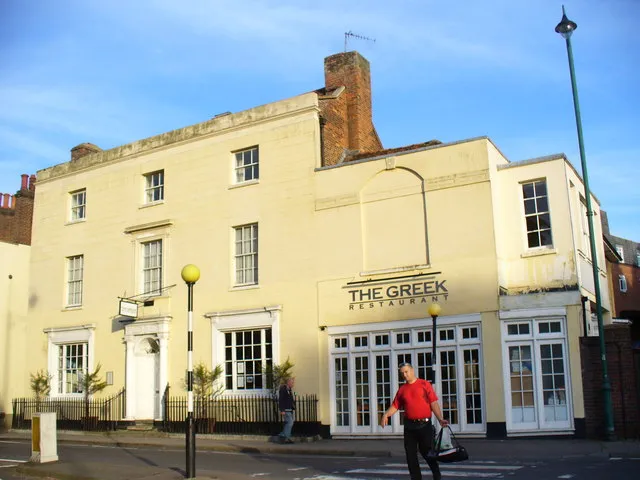
Photo: Colin Smith, CC BY-SA 2.0, via Wikimedia Commons
Something has shifted in the way the UK eats out. The old model — starter, main, side, everyone facing their own plate — still exists, but in 2026 it is no longer the default for a certain kind of evening. Across London, Manchester, Bristol, Glasgow and Leeds, menus are being built around sharing, grazing and the idea that a table should fill up gradually rather than arrive all at once. And increasingly, the language being used to describe that experience is Greek.
The taverna effect is not a sudden craze. It is a slow correction. The small-plates format has been with us since the 1990s, and it has had its ups and downs. For a while, every new opening seemed to offer tiny plates at large prices, and diners learned to be wary. What Greek meze brings to that format is something different: a sense of generosity, a clear rhythm and a hospitality that does not feel like a tasting menu in disguise.
From holiday memory to high street
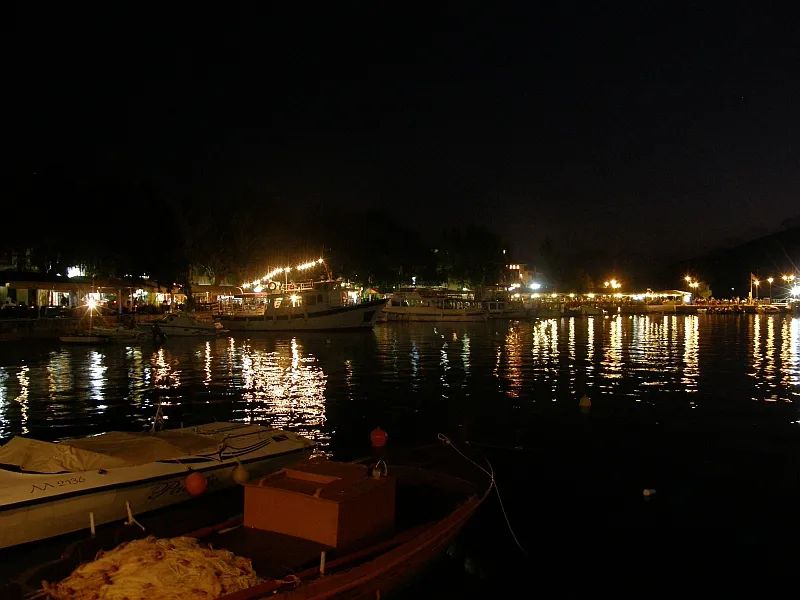
For many British diners, meze is tied to holidays: a table by the sea, a jug of something cold, a plate of tomatoes that tasted of sunshine. In 2026, that memory is being translated into everyday restaurant language. Greek restaurants are, of course, at the centre of it, but the influence is wider. Pubs are adding meze-style boards. Neighbourhood bistros are building set menus around dips, grilled vegetables and slow-cooked meat. Supper clubs are using the meze table as a way to make strangers feel like guests.
The menu trend is not really about feta and olives, although both are welcome. It is about structure. A meze menu gives operators a way to offer variety without a long list of main courses, and it gives diners a way to try more without committing to a single plate. It also allows kitchens to be flexible with seasonal vegetables and cheaper cuts of meat, which matters in a UK market where costs are still a live issue.
What operators are getting right
The best Greek-inspired sharing menus in 2026 tend to follow a few sensible rules. They open with bread and a dip, which is both a low-cost anchor and a signal that the table is going to be looked after. They mix cold and warm dishes. They give vegetables real presence rather than treating them as a side. And they pace the meal so that dishes arrive in waves, not all at once.
The pricing has evolved too. Set meze menus — a fixed price per person for a selection of plates — are becoming more common, because they take the anxiety out of ordering and help kitchens plan. The good ones still feel generous. The less good ones feel like a maths exercise. The difference is usually whether the menu has been designed around hospitality or around margin.
There is also a growing confidence in regional Greek cooking. Rather than a generic list of hummus, halloumi and souvlaki, menus are nodding to Cretan greens, northern Greek pies, island vegetable dishes and the sort of slow-cooked beans that make a meze table feel grounded. That regionality gives home cooks permission to be specific too. You do not need to recreate a whole taverna; you just need one dish that tastes of somewhere.
The home cook's taverna table
The same principles work at home, and they are easier to copy than a restaurant menu. Think in threes: three cold things, three warm things and one anchor. The cold things might be a yoghurt dip, a tomato salad and a bowl of olives. The warm things could be roasted squash, lemon potatoes and a pan of beans. The anchor is bread, or rice, or both.
Make the dips ahead. They are better for a rest in the fridge, and they free you up to cook the hot dishes. Use small plates and one big board. Do not try to serve everything at once. Bring out the bread and dips first, then the vegetables, then anything with a bit of protein. Keep the table alive rather than turning it into a buffet.
One showpiece is enough. A slow-roasted lamb shoulder is lovely if you are feeding a crowd, but a tray of roast chicken thighs with oregano and lemon will do the same job. The rest of the table can be vegetables, pulses and bread. That is not a compromise; that is the meze way.
The cost question
Sharing menus can be expensive if you order blindly, which is why the set-menu model has taken hold. At home, the economics are much friendlier. A table of dips, roast vegetables, beans and bread can feed four people for less than a single main course in many UK restaurants. The £10 challenge we set ourselves on The Greek Meze is proof that the format does not have to be a treat reserved for payday.
There is a wider point here about hospitality. Meze is not about impressing people with complicated cooking. It is about making them feel welcome, giving them enough time and not rushing them towards the bill. In 2026, that feels like a useful correction to the way we eat out. We are not just ordering smaller plates; we are relearning how to sit at a table together.
What to watch next
The taverna effect is likely to keep spreading. Expect more Greek wine lists, more regional dishes and more restaurants using the meze table as a template for informal dining. Expect home cooks to become more confident with pulses, greens and simple grilled fish. And expect the word meze to appear on menus that are not strictly Greek at all — because the principles are portable.
The best versions will remember what makes the format work. It is not the number of plates. It is the pace, the generosity and the sense that the table belongs to everyone. That is the taverna effect, and it is worth borrowing.